Venetian Plaster Walls & Finishes
Hand-applied Venetian plaster, polished finishes, Marmorino, and Stucco Lustro for walls and ceilings across the Flathead Valley.
Get a Free Quote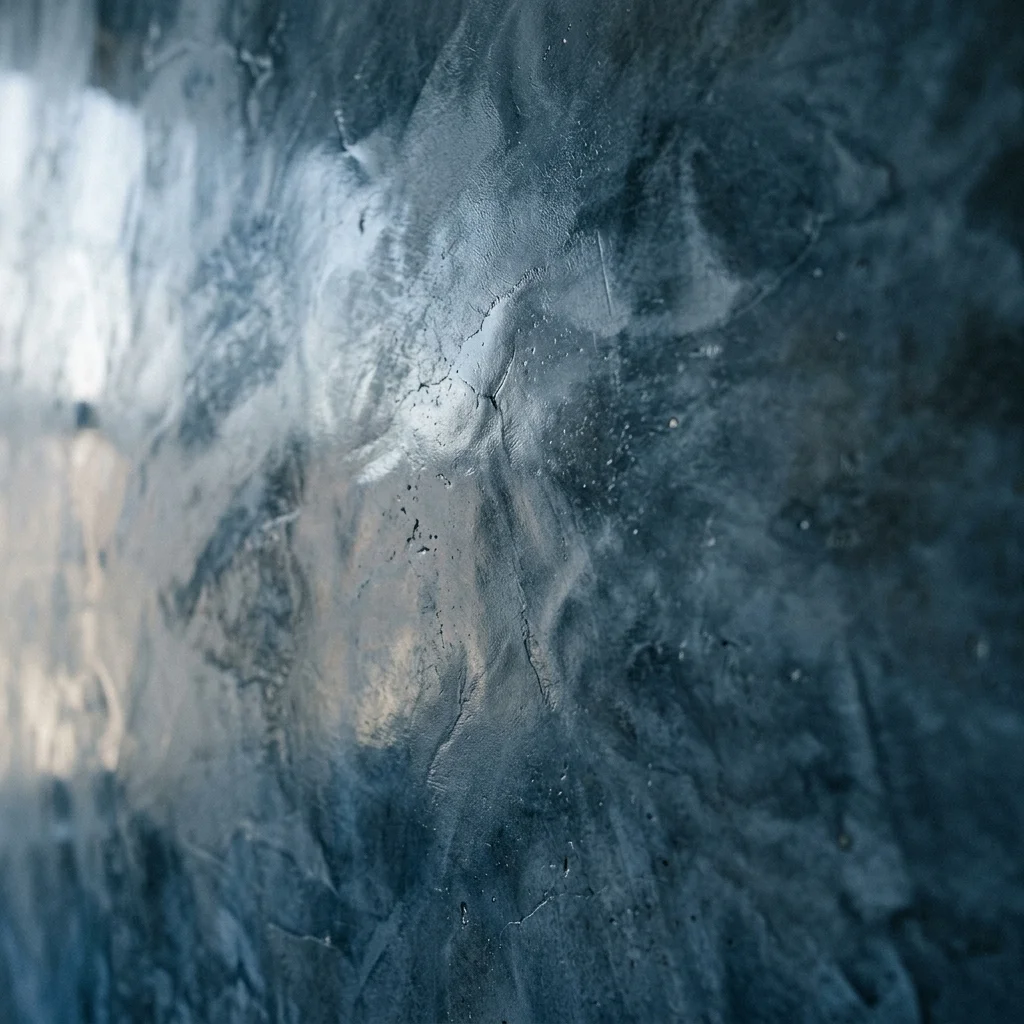
The Luminous Depth of Venetian Plaster
Venetian plaster is not a paint, not a coating, and not a shortcut. It is an ancient wall finishing technique that dates back to Roman architecture and was elevated to an art form during the Italian Renaissance. The material itself is simple — slaked lime putty combined with finely crushed marble dust — but the technique required to apply it correctly takes years to master. At Nautilus Design and Build, Levi Shewalter has spent more than two decades refining the hand-applied methods that produce walls with a depth, luminosity, and movement that no paint or wallpaper can match.
What makes Venetian plaster extraordinary is how it interacts with light. Each layer of plaster is applied with a steel trowel at varying angles and pressures, creating subtle variations in thickness and density across the surface. When light strikes the finished wall, it penetrates the translucent layers and reflects off the marble particles within, producing a luminous glow that changes throughout the day as the light shifts. The result is a surface that appears to have depth — as though you could reach into the wall itself. This is the quality that has made Venetian plaster the preferred wall finish in the finest homes and buildings in the world for centuries.
Nautilus applies Venetian plaster throughout every interior space — living rooms, bedrooms, bathrooms, dining rooms, hallways, and ceilings. For a broader overview of all plaster techniques we offer, visit our plaster finishes page. Venetian plaster also pairs beautifully with our bathroom renovation services for spa-inspired master bathrooms.
The Multi-Layer Application Process
Venetian plaster is applied in a minimum of three layers, though many projects require four or five to achieve the desired depth and finish. The first layer is a thin skim coat that bonds to the prepared wall surface and establishes the base tone. This layer is allowed to dry completely before the second coat is applied. The second layer builds thickness and begins to create the characteristic variation in the surface — the trowel is worked at different angles to leave subtle ridges and valleys that will become part of the final texture. Each subsequent layer adds more depth, more marble content, and more visual complexity.
The final layer is the most critical. For a polished finish, the plaster is burnished with the flat of the trowel using firm, overlapping strokes that compress the marble particles and bring out the natural sheen. For a matte finish, the final coat is left unburnished, preserving a softer, more contemporary appearance. For a textured finish, the trowel work is deliberately left more open, creating a surface with visible movement and dimension. Each finish requires a different hand and a different approach — and the skill of the applicator determines the quality of the result.
Venetian Plaster Finishes and Variations
Polished Venetian Plaster is the classic finish — highly burnished to a mirror-like sheen that resembles polished marble. It is the most formal and luxurious of the Venetian plaster finishes, ideal for living rooms, dining rooms, and master bedrooms. Matte Venetian Plaster delivers the same depth and movement but with a softer, more understated appearance. It suits contemporary interiors where a high sheen would feel out of place. Marmorino is a variation that uses coarser marble aggregates to create a slightly textured surface with a stone-like feel. It can be polished to a high gloss or left matte, and it is particularly popular for accent walls and fireplace surrounds.
Stucco Lustro is the most refined and labor-intensive finish. It involves applying very fine layers of plaster and burnishing each one to a high polish before applying the next. The result is a surface with extraordinary depth and a glass-like luminosity that is virtually indistinguishable from polished marble. Stucco Lustro requires the highest level of skill and is reserved for the most demanding applications.
Why Hand-Application Matters
There is no machine that can apply Venetian plaster. Every wall is finished entirely by hand, one trowel stroke at a time. The pressure, angle, speed, and moisture content of every stroke affects the final appearance. This is why Venetian plaster applied by an experienced craftsman looks fundamentally different from the same material applied by someone learning the technique. Levi has applied Venetian plaster in homes across the Flathead Valley for over two decades, and his hands know the material — how it responds to different substrates, how humidity and temperature affect drying time, how to build up layers that create maximum depth without overworking the surface.
How Venetian Plaster Compares to Paint and Wallpaper
Paint is a thin film that sits on top of a wall. It chips, fades, scuffs, and needs to be reapplied every few years. Wallpaper is a pasted-on material that can peel, bubble, and show seams over time. Venetian plaster is fundamentally different — it becomes part of the wall through a chemical process called carbonation. As the lime in the plaster absorbs carbon dioxide from the air, it slowly converts back into calcium carbonate — essentially turning back into limestone. This means the plaster actually gets harder and more durable over time. A properly applied Venetian plaster wall will outlast dozens of paint jobs and remain beautiful for the lifetime of the building.
The composition of Venetian plaster also makes it naturally breathable, mold-resistant, and hypoallergenic. It does not trap moisture in the wall the way paint does, which is particularly important in Montana homes where temperature differentials between interior and exterior spaces can create condensation issues. For bathrooms, Venetian plaster handles humidity gracefully — moisture passes through the plaster rather than becoming trapped behind it, which prevents the mold growth that plagues painted bathroom walls.
Venetian Plaster Services
Polished Venetian Plaster
Classic high-sheen Venetian plaster burnished to a mirror-like finish. The most luxurious wall treatment for formal living spaces.
Matte Venetian Finish
Soft, understated Venetian plaster with the same depth and movement but without the high gloss. Perfect for contemporary and minimalist interiors.
Marmorino
Coarser marble aggregate plaster with a stone-like texture. Available in polished or matte finishes for accent walls and feature surfaces.
Stucco Lustro
The finest and most labor-intensive Venetian finish. Multiple ultra-thin layers burnished to a glass-like depth that rivals polished marble.
Venetian Plaster Repair
Seamless repair of chipped, cracked, or damaged Venetian plaster. Re-burnished and blended to match the original surface perfectly.
Color-Matched Venetian Plaster
Custom pigment mixing to achieve any color. From warm earth tones to cool neutrals, every shade is hand-mixed for your space.
Frequently Asked Questions
Common Questions About Venetian Plaster
Ready to Transform Your Walls?
Contact us today for a free consultation and quote. We serve Whitefish, Kalispell, Columbia Falls, Bigfork, and the entire Flathead Valley.
Get a Free Quote